A handler checking on a dog in an airline-approved travel crate at a cargo terminal
Service No. 04  ·  Pet Relocation

They travel with someone who cares.

Moving a pet is nothing like moving freight, and we don't treat it that way. A named handler plans the route, prepares the paperwork, walks your animal to the aircraft, and sends you a photo at every checkpoint until they're home.

Paperwork
USDA endorsed
Crates
IATA compliant
Updates
Photo at each stop
Overview

Safe, legal, and never rushed.

This division started in 2016 because a client asked us to move her two dogs to Denver and we couldn't find anyone we trusted to do it properly. So we learned how, and built a team that does nothing else.

Pet travel is governed by real rules — USDA health certificates, destination country import permits, rabies titer tests with waiting periods measured in months, breed and temperature embargoes set by individual airlines. Getting one detail wrong doesn't mean a delay. It means your animal is refused at the counter, or quarantined on arrival.

Our job is to know those rules before you need to. We handle domestic moves across all 50 states and international relocations into the markets we serve, working only with airlines that have dedicated live-animal programs. And if a route isn't safe for your particular animal, we will tell you that plainly rather than sell you the booking.

What we commit to on every move

  • One named handler, start to finish
  • A photo update at every checkpoint
  • Paperwork checked twice before travel
  • An honest answer if travel isn't advisable
A cat resting in an airline-approved travel carrier being checked before departure
2016 Live-animal division
What's included

Four things we never cut corners on.

Every pet relocation includes all of it, whether you're moving across three states or across an ocean.

01

Climate-controlled throughout

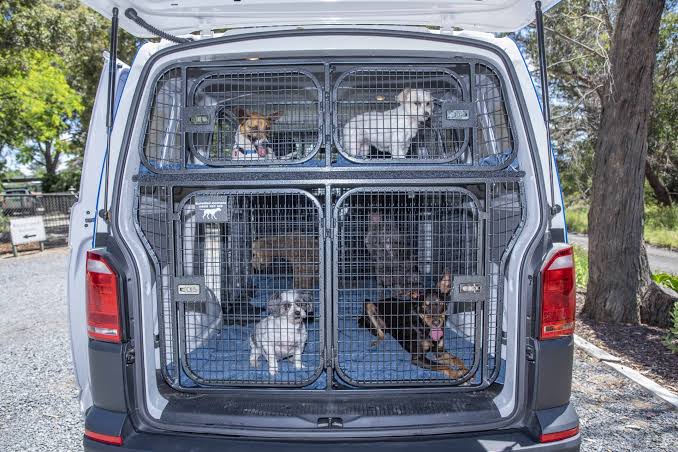
Your pet travels in a pressurised, temperature-regulated hold on airlines with dedicated live-animal programs — and moves between terminals in our own climate-controlled vans, never a standard cargo trailer. We monitor temperature embargoes on both ends and will delay a flight rather than fly into a heat restriction.
02

Documentation, handled

USDA-accredited veterinary health certificates, APHIS endorsement, import permits, rabies titer results and microchip records — assembled, checked and submitted on the right timeline for your destination. We build the schedule backwards from your move date so nothing expires before you fly.

03

Handlers who do this daily

Not warehouse staff who also move animals. Our handlers are trained in live-animal acceptance, know how to read stress in a frightened dog, and stay with your pet through check-in and loading. The same person meets them on arrival wherever the route allows.

04

Updates you don't have to chase

A photo and a short message at collection, at check-in, at the gate and on arrival — sent to your phone without you asking. Your coordinator's direct number is on the booking, and someone answers it around the clock while your animal is travelling.

The journey

From first call to first sniff of home.

Four stages, usually spanning six to twelve weeks. We'll tell you at the consultation exactly where your timeline sits.

Stage 01

Consultation

We talk through your pet — breed, age, size, temperament, any medical history — and your destination. You get an honest assessment of the route, a full timeline, and a fixed quote with nothing hidden underneath it.

Free, no obligation
Stage 02

Prep & documentation

We book the vet appointments, order the right crate, and assemble the health certificate, permits and endorsements on a schedule built backwards from your travel date. Crate training starts weeks ahead so it's familiar, not frightening.

Usually 4–10 weeks
Stage 03

Travel day

Your handler collects, settles them in the crate, and stays through check-in and loading. Photos come to your phone at collection, at the counter and at the gate, with a message confirming the moment the aircraft departs.

Photos at every stop
Stage 04

Arrival & home

We meet the flight, clear customs and any inspection, offer water and a walk, then drive them to your door. You get a final photo and a call once they're inside, settled and eating.

Door delivery included
Who travels with us

Pets we move.

If your animal isn't listed here, call us anyway — we'll tell you honestly whether we're the right people for the job.

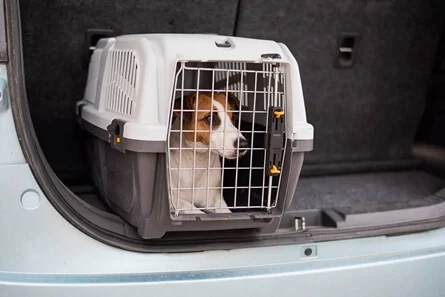
A calm dog sitting beside its airline-approved travel crate Dogs

Dogs

From a 6lb terrier to a 140lb mastiff. Crate size is set by your dog's standing height and length, not by breed, and we measure rather than guess.

  • All sizes, custom crates where needed
  • Puppies from 8 weeks (route dependent)
  • Senior dogs assessed case by case
  • Snub-nosed breeds — see FAQ below
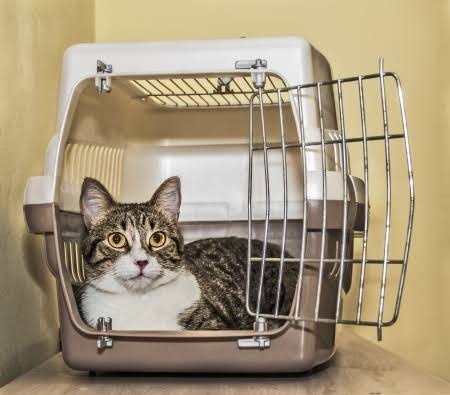
A cat resting inside a soft-sided travel carrier Cats

Cats

Cats stress differently to dogs — quietly. Our handlers know what that looks like, keep carriers covered and away from noise, and check without opening the door somewhere they could bolt.

  • Single and multi-cat households
  • Bonded pairs travel together
  • Covered, low-stimulus handling
  • Senior cats assessed with your vet
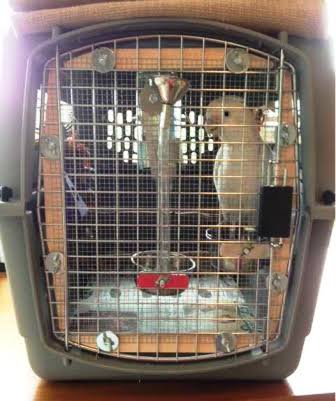
A small animal travel carrier prepared for transport Small pets

Small animals & birds

Rabbits, guinea pigs, ferrets and most companion birds, subject to airline acceptance and destination rules — which vary far more for these species than for cats and dogs.

  • Rabbits, guinea pigs, ferrets
  • Companion birds, permit dependent
  • Species rules checked before booking
  • Reptiles and exotics: ask us first
Travel options

How they can travel.

Manifest air cargo

The standard for most moves. Your pet travels in a pressurised, temperature-controlled hold with a dedicated live-animal booking and its own tracking record.

Ground transport

For domestic moves under roughly 1,000 miles, driving is often kinder than flying. Climate-controlled vans, regular comfort stops, one driver the whole way.

Door to door

Collection from your old home and delivery to your new one, including the terminal legs at both ends. Available on every route we operate.

Before you book

The questions people ask us first.

Usually asked in this order, and usually with some worry behind them. Here are straight answers.

For the large majority of healthy cats and dogs, yes. The hold used for live animals is pressurised, heated and lit — it isn't the bare cargo bay people picture. Airlines with dedicated live-animal programs board animals last and unload them first, and incidents are rare.

That said, flying is not right for every animal. Age, existing heart or respiratory conditions, extreme anxiety and snub-nosed breeds all raise the risk meaningfully. We assess each pet individually with your vet's input, and if we think a route isn't advisable, we say so and suggest ground transport or a different timing instead. We'd rather lose the booking than put an animal somewhere it shouldn't be.

Domestically, most airlines want a health certificate issued by a USDA-accredited veterinarian within ten days of travel, plus current rabies vaccination records. Some states add their own requirements.

International moves are a different scale of paperwork: an import permit, a microchip that meets ISO standards, rabies vaccination given after the chip, often a rabies titer blood test with a waiting period of up to three months, and APHIS endorsement of the health certificate. Requirements change, and they change without much notice.

We assemble all of it and build the calendar backwards from your travel date so nothing expires early or lands too late. You'll get a checklist at the consultation showing exactly what's needed and when.

For a domestic move, three to four weeks is comfortable. For international, start three to six months out — not because the booking takes that long, but because titer tests and their waiting periods do, and those cannot be shortened.

If your move is sooner than that, call anyway. We can often work with a tight timeline, and we'd rather tell you early that a date isn't achievable than have you find out at the counter.

Often not, and we won't pretend otherwise. Snub-nosed (brachycephalic) breeds — bulldogs, pugs, boxers, Persian and Himalayan cats among others — have airways that make heat and stress genuinely dangerous. Many airlines refuse them outright, and those that accept them apply strict temperature and season limits.

Where flying isn't appropriate, ground transport usually is: climate-controlled vans, regular stops, one driver the whole way, and no altitude change. It takes longer and it costs differently, but for these breeds it is very often the right answer. Tell us the breed at the consultation and we'll lay out what's actually available.

A dog being reunited with its owner after arriving at its new home
Pet relocation

Let's get them home safely.

Tell us your pet's breed, age and weight, where you're moving from and to, and roughly when. A pet coordinator will call you back with an honest assessment of the route and a fixed quote — no obligation, and no pressure either way.

UNITED FREIGHT
SOLUTIONS

Air, sea, road and warehousing under one manifest. Moving American freight since 1997.

MC-123456 DOT-1234567 FMC-0000NF
© 2026 United Freight Solutions. All rights reserved.